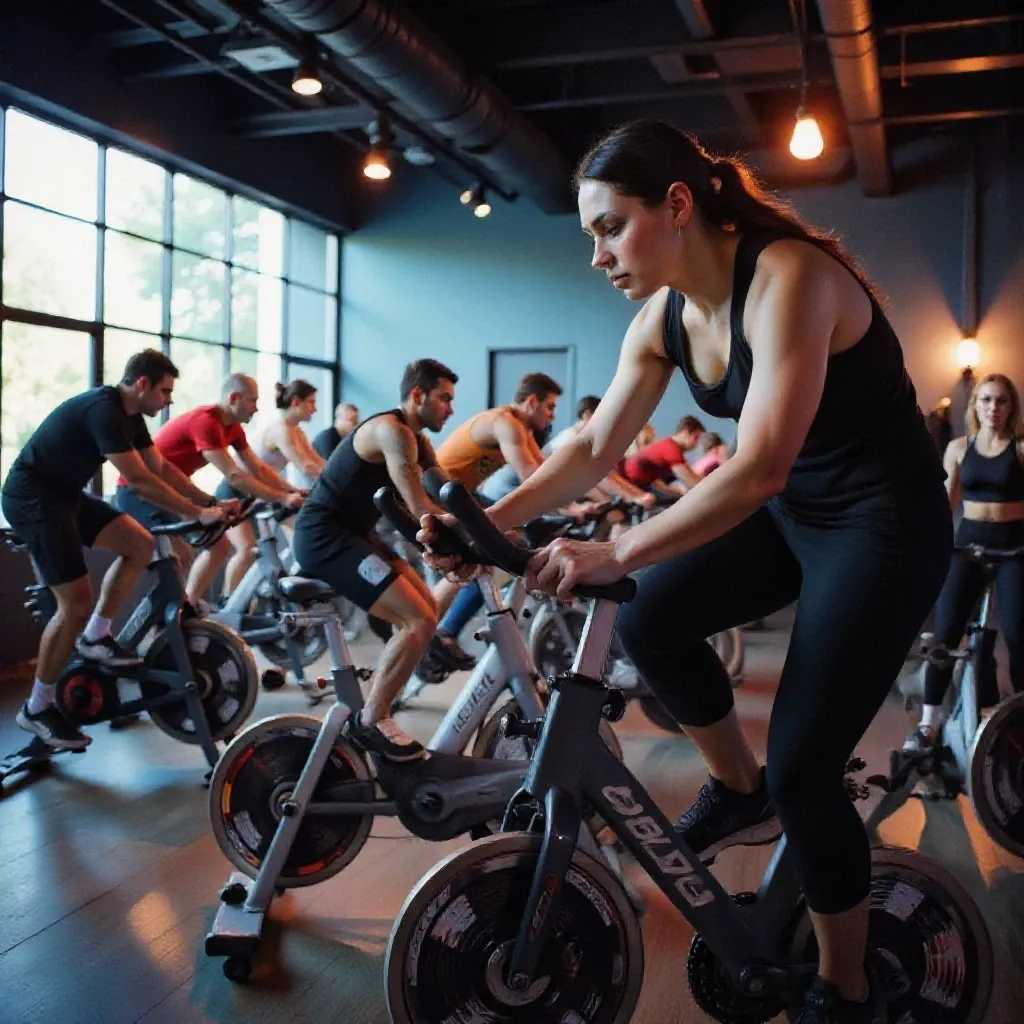
Ever walked out of a spin class feeling like you’ve been hit by a truck, vowing never to clip into those pedals again? You’re not alone. Many people dive into spinning, lured by the promise of a killer workout, only to be sidelined by aches, pains, or even injuries. But what if spinning could be different? What if you could enjoy the intensity, torch calories, and build strength without the dreaded aftermath? Imagine leaving each indoor cycling session feeling energized and empowered, not defeated.
This isn’t just a pipe dream. With the right approach, spinning can be an incredibly effective and enjoyable form of exercise. This guide will provide you with the knowledge and tools to maximize your spin class experience while minimizing the risk of discomfort or injury. From proper bike setup and posture to effective riding techniques and post-workout recovery, we’ll cover everything you need to spin smarter, not just harder. Get ready to transform your indoor cycling journey and discover the joy of a regret-free ride!
Understanding the Fundamentals of Spin
Spinning transcends being merely a workout; it’s an immersive experience that harmonizes cardiovascular exertion, targeted muscle engagement, and heightened mental acuity. At its core, spinning is a high-intensity, low-impact exercise performed on a stationary bike, meticulously designed to simulate the dynamic feel of outdoor cycling. This synchronized activity yields a cascade of physiological advantages, enhancing cardiovascular health by boosting blood flow and fortifying the heart muscle. The rhythmic pedaling torches calories, positioning spinning as an effective tool for weight management.
Beyond cardio and calorie burning, spinning sculpts and tones various muscle groups. The quadriceps and hamstrings propel the bike, while the glutes provide stability and power. Core muscles engage to maintain posture and balance, and even the upper body gets involved as you grip the handlebars and maintain form. The synchronized movements require focus, turning each session into a moving meditation that sharpens concentration and fosters mindfulness.
Benefits of Spinning
The benefits of spinning extend far beyond physical health, profoundly impacting mental well-being. The vigorous activity triggers the release of endorphins, natural mood elevators that combat stress and promote feelings of euphoria. Regular spinning sessions can lead to sustained improvements in mood, reduced anxiety, and increased energy levels. A consistent routine can transform not just your body, but also your outlook on life.
Setting Up Your Bike for Success
A bicycle that fits well is more than just comfortable; it’s the key to unlocking your potential. Poor bike fit can lead to discomfort, pain, and decreased performance, ultimately sidelining you from enjoying your rides. Optimizing your bike setup involves fine-tuning several key areas, including seat height, handlebar position, and foot placement. With a few simple adjustments, you can transform your riding experience and prevent common cycling injuries.
Seat Height and Fore/Aft Position
The height of your seat directly impacts your leg extension and pedaling efficiency. If your seat is too low, your knees will be overly bent, leading to potential knee pain and inefficient power transfer. Conversely, a seat that’s too high can cause you to rock your hips, which can lead to discomfort and instability. A good starting point is to have a slight bend in your knee at the bottom of the pedal stroke. Adjust the fore/aft position to ensure your knee is aligned vertically over the pedal axle when the crank arm is horizontal. Proper alignment prevents excessive stress on the knees and ensures efficient muscle engagement.
Handlebar Height and Reach
Your handlebar position dictates your posture and weight distribution, significantly impacting your comfort and control. Handlebars that are too low or too far away can cause excessive strain on your back, shoulders, and neck. A more upright position may be more comfortable for longer rides, while a lower, more aggressive position can improve aerodynamics and power output. Experimenting with different handlebar heights and reach can dramatically reduce back and shoulder pain, allowing you to ride further and more comfortably. The goal is to find a position that allows you to maintain a relaxed posture, with a slight bend in your elbows and shoulders.
Mastering Proper Spin Technique
Correct spin technique transforms a workout from a tiring slog to an efficient, powerful ride. Proper form not only maximizes calorie burn and muscle engagement, but also minimizes the risk of injury. Whether you’re cruising on a seated flat or powering through a standing climb, mastering each position is crucial. It’s like learning to dance – once you get the steps right, the whole experience flows.
Seated Flat and Seated Climb
The seated flat is your recovery and endurance position. Maintain a neutral spine, relaxed shoulders, and a light grip on the handlebars. Focus on core engagement to stabilize your torso, allowing your legs to drive the pedal stroke. The seated climb demands a similar posture, but with increased resistance. Engage your glutes and hamstrings, consciously pushing through the bottom of each pedal stroke. Think about scraping mud off your shoe at the bottom to fully engage those muscles. Smooth, circular pedal strokes are fundamental for both positions. Core engagement prevents rocking and directs power efficiently. If your hips are bouncing, reduce resistance and focus on maintaining a stable core and driving with your legs. Find a comfortable cadence where you can maintain power and control. Your whole body works in synergy. Start slow practice good habits from the very beginning.
Standing Flat and Standing Climb
Transitioning to a standing flat increases the intensity, engaging more of your leg muscles. Maintain a slight bend in your elbows and hinge slightly at the hips, keeping your core tight for stability. Don’t lock out your knees! The saddle should be lightly brushed with the inside of your thighs as you pedal. The standing climb takes this even further. Increase the resistance until you feel challenged but still maintain control. Your core is your anchor, providing stability as you drive your legs. One common mistakes are upper body tension. Relax your shoulders and let your legs do the work. Keep your hips over the pedals and focus on generating power from your glutes and quads. I recall a time when I struggled with standing climbs, feeling wobbly and out of control. I gradually increased the resistance and focused on engaging my core and pushing through each pedal stroke. It made a world of difference and increased my power on the bike.

Common Mistakes to Avoid
Spinning, while a fantastic workout with numerous benefits, can lead to injuries if proper precautions aren’t taken. Many spinners fall into common traps that can hinder their progress and even cause harm. Let’s explore some frequent errors and how to steer clear of them. A prevalent issue is improper form. Maintaining the correct posture on the bike is crucial. Slouching or hunching over can strain the back and neck, while gripping the handlebars too tightly can lead to wrist and hand fatigue. Focus on keeping a neutral spine, relaxed shoulders, and a light grip. Another pitfall is using excessive resistance. It’s tempting to crank up the tension, but pushing too hard too soon can put undue stress on the knees and joints. Building resistance gradually allows the muscles to adapt and prevents injuries. Remember that cadence, or pedal RPM, is just as important as resistance, and they should work in harmony.
Dehydration is another major concern often overlooked. Spinning is an intense cardiovascular workout, and sweating leads to fluid loss. Failing to replenish fluids adequately can result in dizziness, muscle cramps, and decreased performance. Always bring a water bottle to class and sip frequently throughout the session. Ignoring these key areas can have consequences. Studies show that a significant percentage of spinning-related injuries involve the knees, back, and wrists. By paying attention to form, resistance, and hydration, spinners can significantly reduce their risk of injury and enjoy the full benefits of this energizing workout.
Knee Pain and How to Prevent It
Knee pain is a common complaint among spinners, often stemming from improper bike fit, incorrect cadence, or excessive resistance. When the bike isn’t properly adjusted, the knees can be forced into awkward angles, leading to strain and discomfort. High resistance combined with low cadence also puts excessive pressure on the knee joint. Maintaining a comfortably quick cadence (around 80-110 RPM) can help alleviate this pressure. If you’re already experiencing knee pain, reduce resistance, focus on proper form, and consider icing the affected area to reduce inflammation. If the pain persists, consulting a doctor or physical therapist is recommended.
Fueling Your Body for Optimal Performance
Spinning demands significant energy, making strategic nutrition essential. Hydration is critical; dehydration leads to reduced performance and increased risk of injury. Replenish fluids consistently before, during, and after your workout. Electrolytes, lost through sweat, are also vital for maintaining fluid balance and muscle function. Prioritize complex carbohydrates for sustained energy and lean protein to aid muscle repair.
Pre- and Post-Workout Snack Recommendations
For pre-workout fuel, consider options like a banana with peanut butter or a small bowl of oatmeal.These provide sustained energy release. Post-workout, focus on replenishing glycogen stores and aiding muscle recovery with a protein shake or Greek yogurt with berries. These options offer a balance of carbohydrates and protein for optimal recovery.
Staying Motivated and Consistent
Maintaining consistency is often the biggest challenge when starting any new fitness program. Life gets busy, motivation wanes, and skipping a workout becomes easier. But remember those initial goals you set when you first picked up this guide? The increased energy, improved stamina, and the sheer joy of movement are all within reach if you stay the course.
Think of your spin sessions as appointments you can’t miss. Schedule them in your calendar like any other important commitment, and treat them with the same level of importance. Develop a realistic training schedule that fits seamlessly into your daily routine.
Celebrate small victories along the way. Each completed workout, each new level of resistance achieved, is a step closer to your ultimate goal. Refer back to the workouts you’ve already conquered in this guide – remember how challenging they seemed at first? Now think how stronger you are.
Motivation is like a muscle; it needs to be exercised. When you feel your motivation dipping, visualize the positive results you’re working towards. Remember why you started, and let that be your driving force to keep spinning.
Advanced Techniques and Workouts
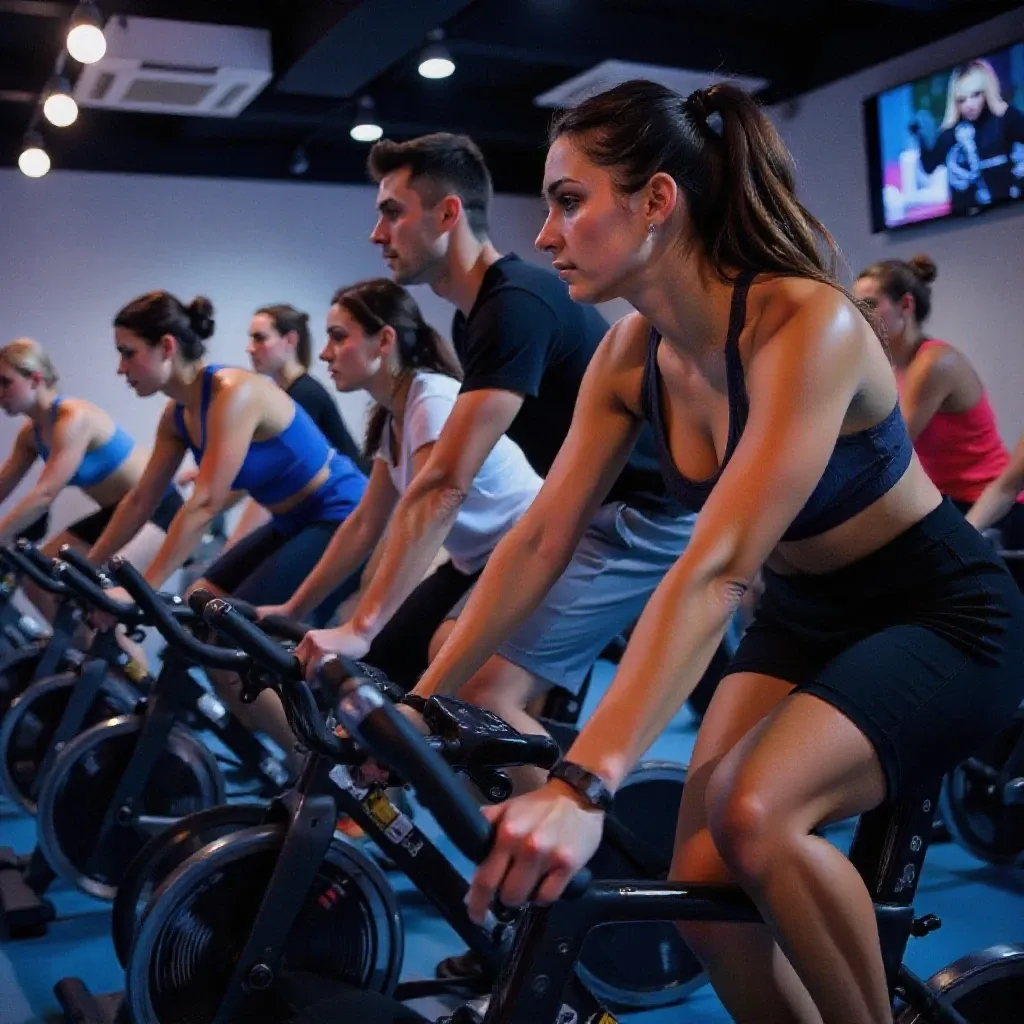
Now that you have mastered the basics of indoor cycling, it’s time to elevate your training. Prepare to integrate challenging exercises like hill repeats and interval training into your routine. These techniques are designed to help you break through plateaus and significantly enhance your cardiovascular fitness. Remember those initial posture and resistance techniques? Now, amplify them! Increase your resistance for simulated uphill climbs and alternate between high-intensity bursts and recovery periods for interval training. For instance, try a workout that alternates between 30 seconds of high cadence and low resistance with 60 seconds of high resistance at a moderate cadence. These advanced workouts will test your limits and unlock new levels of endurance and strength.
Training Schedule to Follow
To effectively integrate these advanced techniques, adhere to structured workout plan. Begin with three sessions per week, incorporating a mix of endurance rides, interval training, and hill repeats. On Mondays, focus on a 45-minute endurance ride with consistent resistance. Wednesdays are for interval training: alternate between 60 seconds of high-intensity sprints and 30 seconds of recovery for 30 minutes. Finish the week on Fridays with hill repeats, simulating climbs for varied durations over 40 minutes. Remember to include warm-up and cool-down periods in each session to prevent injury and maximize recovery.
Integrating Spin into a Balanced Fitness Routine
Spin is a fantastic cardio workout, but optimal fitness demands more than just strong legs. Integrating it thoughtfully into a broader fitness plan will yield better results and reduce the risk of injury. Consider incorporating strength training exercises at least two to three times a week to build overall muscle and stability. Don’t neglect flexibility either – regular stretching and yoga can improve your range of motion and prevent stiffness. Most important is rest. Aim for at least one or two full rest days per week to allow your body to recover and rebuild. For instance, you might spin twice a week, lift weights three times, and dedicate time to stretching and active recovery.
Conclusion
In summary, embarking on a spinning journey armed with the right knowledge transforms potential pitfalls into pathways for success. This guide demystifies the process, ensuring workouts are both effective and safe. Applying these insights leads to achieving fitness goals without the shadow of injury or regret.
Spinning becomes not just a workout, but a powerful, sustainable practice. Embrace the spin, feel the burn, and celebrate progress, knowing it’s built on a foundation of informed choices. The power to redefine fitness experience is here. Now, get ready to spin, stronger, smarter, and without regrets.